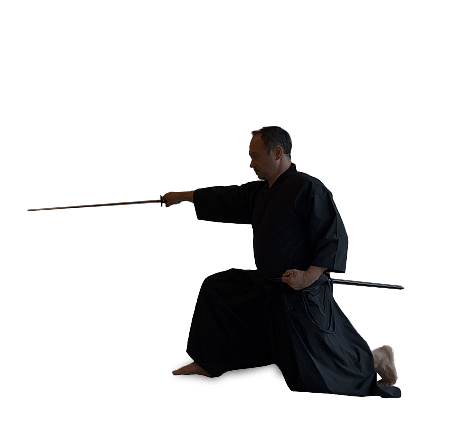
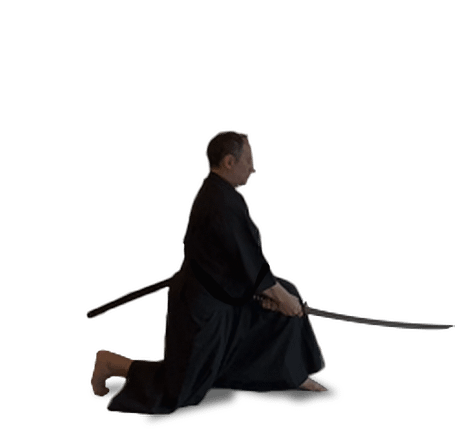
The opponent is your own mind.
– Yamaoka Tesshū
Training Schedule
-
1st, 3rd & 5th Sundays
12:00 PM – 2:00 PM
-
2nd & 4th Sundays
12:30 PM – 2:30 PM
Training schedules may vary during seminars and special events. Please refer to our Training Calendar for the most up-to-date information.
Iaido
The Way of Drawing the Sword
Iaido is the Japanese art of drawing the sword with precision, awareness, and composure. Training develops posture, timing, controlled movement, focus, and the ability to remain calm and present under pressure.
At Kogetsukai, beginners can start with a structured introduction to sword handling and the Zen Nihon Kendo Renmei (ZNKR) Seitei Iaido curriculum, or begin directly in Sugawara-ha Katori Shintō-ryū. Neither pathway requires prior martial arts experience. We also offer Shintō Hatakage-ryū Iai Heihō under the guidance of Peter Boylan Sensei, with participation by his approval.
Our Training
Iaido is practiced primarily through solo kata—predetermined forms that develop sword handling, body movement, and awareness. Students learn to draw, cut, and resheath the sword while developing precision and control.
- Sword handling and dojo etiquette
- Posture, footwork, and body alignment
- Cutting movements and weapon control
- Distance (maai) and timing
- Self-awareness and composure
- ZNKR Seitei Iaido as the beginner curriculum
An optional 30-minute period of zazen and samu precedes sword training. Zazen is seated Zen meditation, and samu is mindful work practice. Participation is voluntary, and no previous meditation experience is needed. Newcomers can ask for guidance on posture and etiquette.
Beginning with Seitei Iaido
New students following the Seitei pathway begin with Introduction to Swordsmanship. This six-to-eight-week course introduces basic sword handling, posture, movement, and etiquette before progression into regular Iaido practice.
The ZNKR Seitei Iaido curriculum consists of twelve standardized kata—set sequences of sword movements practiced individually. These forms develop precise sword handling, posture, timing, and awareness. Students learn progressively and do not need to know the forms before joining.
Seitei Iaido is practiced internationally, offering opportunities for continued learning through seminars, examinations, and training with other practitioners.
Training is supervised by Peter Boylan Sensei of Michigan Koryū Kenkyukai. Kogetsukai is affiliated with the Midwest Kendō Federation (MWKF), a regional member federation of the All United States Kendō Federation (AUSKF).
Classical Study
Shintō Hatakage-ryū Iai Heihō Shintō Hatakage-ryū Iai Heihō is a classical sword-drawing tradition with roots in the Tokugawa period near present-day Mino City in Gifu Prefecture.
Its curriculum includes forms beginning from kneeling, semi-kneeling, and standing positions. Kogetsukai studies this tradition under the guidance of Peter Boylan Sensei of the Michigan Koryū Kenkyūkai. Participation in Shintō Hatakage-ryū training requires Boylan Sensei’s approval. Beginners may start Seitei Iaido without admission to this classical curriculum.Sugawara-ha Katori Shintō-ryū
Katori Shintō-ryū includes both iai and paired sword practice as part of a broader classical curriculum. Kogetsukai offers dedicated training in this tradition on selected Sundays. Because Katori crosses both Iaido and Kenjutsu, the full explanation of the tradition belongs on its own page.
Who Can Train?
Iaido is open to beginners and experienced martial artists. No previous sword or martial arts experience is required.
Training emphasizes controlled movement and steady development. Students with difficulty kneeling, rising, or maintaining balance should speak with the instructor before attending so appropriate practice options can be discussed.
Training Schedule
-
Thursday
8:30 PM – 10:30PM
-
1st, 3rd & 5th Sundays
3:00 PM – 5:00 PM
-
2nd & 4th Sundays
10:30 AM – 12:30 PM & 3:00 PM – 5:00PM
Training includes Sugawara Katori Shinto ryu, ZNKR Seitei Iaidō and Shinto Hatakage Ryu Iai Heiho.
Please refer to our Training Calendar for the most up-to-date information.
Training Schedule
-
Thursday
8:30 PM – 10:30PM
-
1st, 3rd & 5th Sundays
3:00 PM – 5:00PM
-
2nd & 4th Sundays
10:30 AM – 12:30 PM & 3:00 PM – 5:00PM
Training includes Sugawara Katori Shinto ryu, ZNKR Seitei Iaidō and Shinto Hatakage Ryu Iai Heiho.
Please refer to our Training Calendar for the most up-to-date information.
Monthly Support
Daiyuzenji Temple
-
Supports the temple that hosts Kogetsukai's regular training.
Kogetsukai
-
Supports instruction, youth programs, seminars, and equipment.
Total Monthly Support
$75 / month
Together, these two monthly contributions sustain authentic Japanese martial arts training in Chicago.
Questions Before Your First Class
No. Beginners are welcome. You can begin with Introduction to Swordsmanship and the Seitei Iaido curriculum, or enter Sugawara-ha Katori Shintō-ryū directly.
No. Loaner equipment is available for introductory training. Beginners normally start with a wooden sword (bokutō). An iaitō, an unsharpened practice sword, may be recommended as training progresses. Speak with an instructor before purchasing equipment.
Comfortable athletic clothing that allows you to move freely is appropriate. You do not need to purchase a uniform before your first visit.
Seitei Iaido and Shinto Hatakage ryu both are practiced through solo kata. Katori Shintō-ryū includes both iai and paired swordsmanship. Your instructor will explain the exercises appropriate to your training pathway.
No. Live blades are not required for introductory training. Beginners use practice equipment selected by the instructor.
Iaido emphasizes controlled movement, but it involves repeated sword motions, balance, stepping, and, in some forms, kneeling and rising. Training develops coordination and concentration alongside physical technique.
Adults begin Iaido at different ages and ability levels. Discuss any movement limitations with the instructor before class so suitable practice options can be considered. Some forms and examinations have specific requirements.
Yes. You do not need to complete Seitei Iaido or have previous martial arts experience before beginning Katori. Contact us to arrange an introductory visit on a scheduled Katori Sunday.
An optional 30-minute period of zazen and samu precedes sword training. Zazen is seated Zen meditation, and samu is mindful work practice. Participation is voluntary, and no previous meditation experience is needed. Newcomers can ask for guidance on posture and etiquette.
Begin with a Complimentary Introductory Class
The best way to understand Iaido is to experience it firsthand. New students are welcome to observe or participate in a complimentary introductory class covering basic etiquette, movement, and training equipment. No prior martial arts experience is required.

1. Mae
(Front )

2. Ushiro
( Rear )
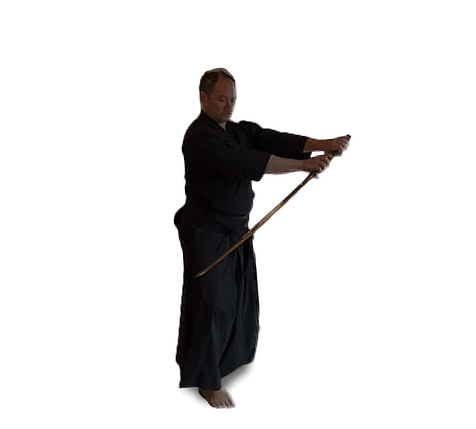
3. Ukenagashi
( Deflect and pass )
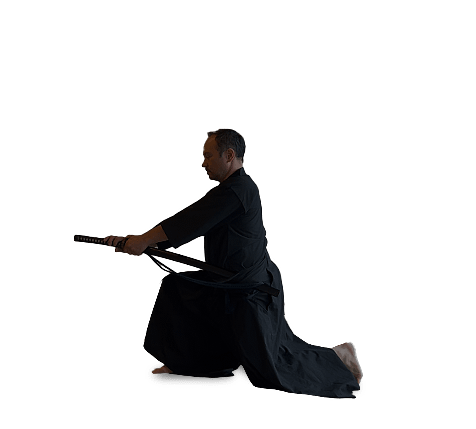
4. Tsuka-ate
( Handle strike )
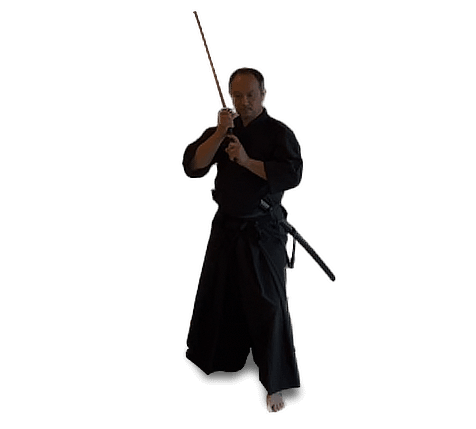
5. Kesagiri
( Diagonal cut )
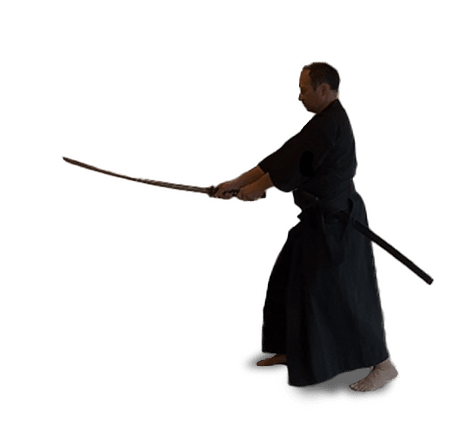
6. Morote tsuki
( Two-handed thrust )
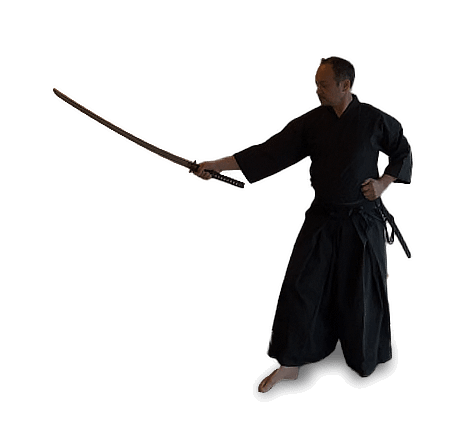
7. Sanpo giri
( Three-directional Cut )
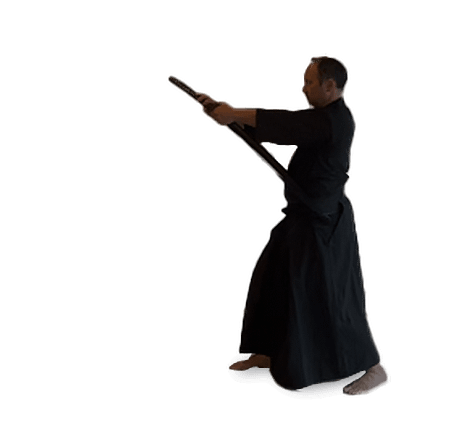
8. Ganmen ate
( Striking the Face )
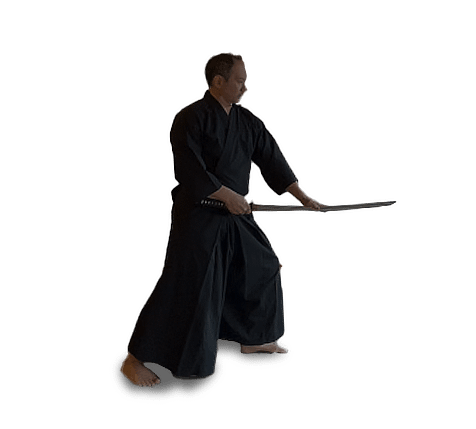
9. Soete tsuki
(Appendix thrust)
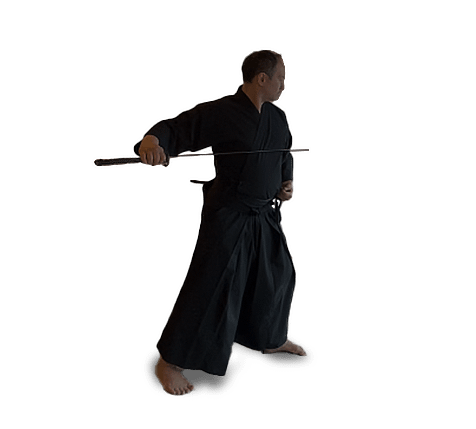
10. Shihogiri
( Four-way cutting )
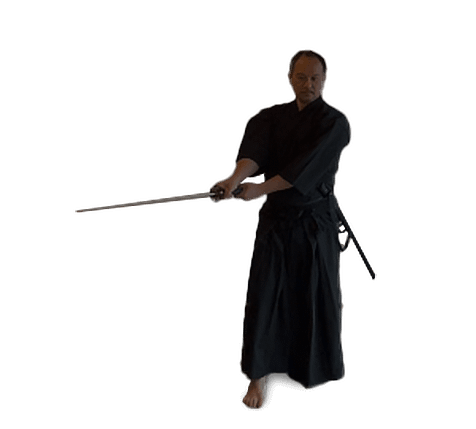
11. Sogiri
( All-around cutting )
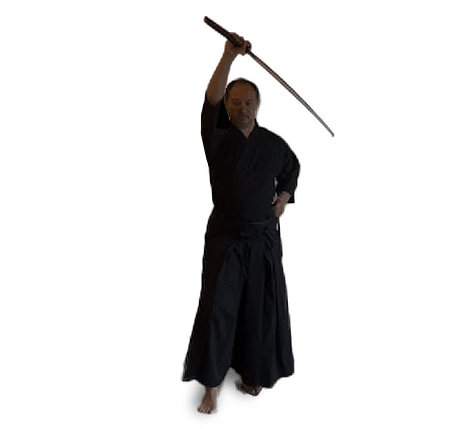
12. Nukiuchi
( Sudden draw )

1. Mae
(Front )

2. Ushiro
( Rear )

3. Ukenagashi
( Deflect and pass )

4. Tsuka-ate
( Handle strike )

5. Kesagiri
( Diagonal cut )

6. Morote tsuki
( Two-handed thrust )

7. Sanpo giri
( Three-directional Cut )

8. Ganmen ate
( Striking the Face )

9. Soete tsuki
(Appendix thrust)

10. Shihogiri
( Four-way cutting )

11. Sogiri
( All-around cutting )

12. Nukiuchi
( Sudden draw )
Visit Our Dojo
Daiyuzenji
Training
Sundays & Thursdays
Parking
Free street parking
Public Transit
CTA Addison Brown Line station
New Students
Complimentary introductory class
by appointment.
Visit Our Dojo
Daiyuzenji
3717 N. Ravenswood Ave. #112
Chicago IL 60613
Training
- Sundays
- Thursdays
Parking
Free street parking
Public Transit
CTA Addison Brown Line station
New Students
Complimentary introductory class by appointment.