The opponent is your own mind.
– Yamaoka Tesshū
Iaido
The Way of the Sword
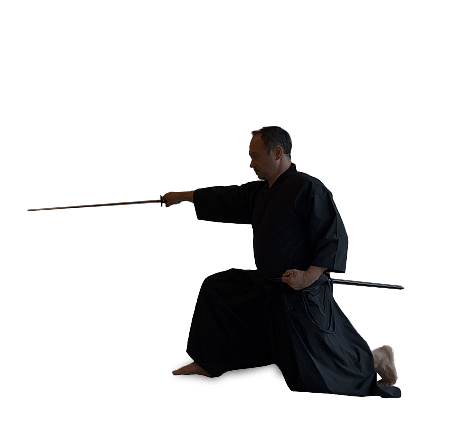
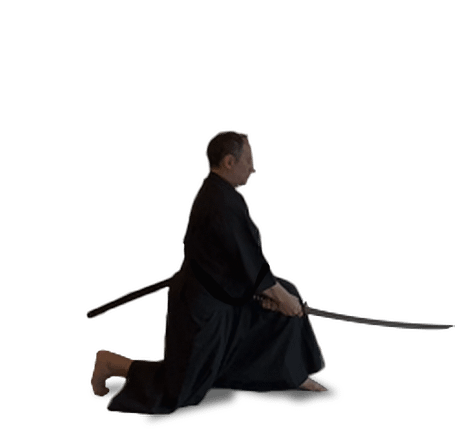
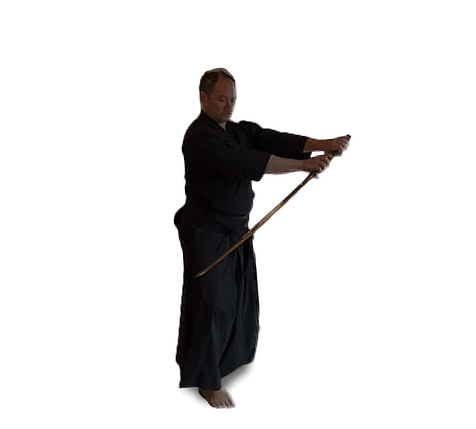
Iaido is the traditional Japanese art of drawing the sword with precision, awareness, and composure. Through formal kata practice, students cultivate posture, timing, focus, and calm presence. Beginners and experienced practitioners are welcome to train at Kogetsukai in a respectful community rooted in authentic tradition.
Students practice both the modern standardized curriculum of Zen Nihon Kendō Renmei Seitei Iaido (ZNKR) and classical training within the Sugawara Sōgō Budō line, including Katori Shintō-ryū Iai.
Our Training
Students begin with the twelve standardized kata of ZNKR Seitei Iaido, drawn from major sword lineages including Musō Jikiden Eishin-ryū, Musō Shinden-ryū, Hōki-ryū, and Mugai-ryū. These forms establish a consistent foundation in:
Students begin with the twelve standardized kata of ZNKR Seitei Iaido, drawn from major sword lineages including Musō Jikiden Eishin-ryū, Musō Shinden-ryū, Hōki-ryū, and Mugai-ryū.
(tap to expand)
- Proper drawing techniques (nukitsuke)
- Smooth blade cuts (kirioroshi)
- Correct sheathing (noto)
- Posture, footwork, breathing, and spatial awareness
Training progresses gradually with strong emphasis on safety, etiquette, and technical precision while cultivating calm presence and mental clarity alongside physical skill.
Students may enter deeper classical study through Sugawara Sōgō Budō – Katori Shintō-ryū Iaijutsu. This training expands understanding of distance (maai), timing, intent, battlefield awareness, and paired principles that historically informed solo iai practice.
Together, these systems provide both a clear modern entry path and a direct connection to living koryū tradition.
Who Can Train?
Iaido is open to teens and adults of all experience levels. No prior martial arts background is required.
Training is:Iaido is open to teens and adults of all experience levels.
No prior martial arts background is required.
(tap to expand)
- Low-impact and physically accessible
- Individual-focused with structured mentorship
- Mindful and meditative
- Rooted in etiquette and discipline
- Low-impact and physically accessible
- Individual-focused with structured mentorship
- Mindful and meditative
- Rooted in etiquette and discipline
Equipment
Loaner swords are available for new students.
(tap to expand)
- Beginners train with a Bokutō (wooden sword) with Saya (scabbard)
- As students progress they practice with an iaitō (blunt zinc aluminum sword)
- Live blades are not required and are only introduced later with instructor approval.
- Beginners train with a Bokutō (wooden sword) with Saya (scabbard)
- As students progress they practice with an iaitō (unsharpened zinc-aluminum alloy sword).
- Live blades are not required and are only introduced later with instructor approval.
Eligible students may also have opportunities to participate in tameshigiri (test cutting). Conducted under direct supervision, tameshigiri provides practical feedback on hasuji (edge alignment), cutting mechanics, posture, and mental composure while complementing the study of formal kata.
Additional Monthly Training
Sugawara Sōgō Budō Katori Shintō-ryū
In addition to our regular weekly kenjutsu curriculum, Kogetsukai offers monthly training in Sugawara Sōgō Budō Katori Shintō-ryū, one of Japan’s oldest surviving classical martial traditions.
Led by Rob Dillon Sensei, these optional sessions provide students with the opportunity to study the traditional kata and principles of this historic system while complementing their regular kenjutsu training.
Sugawara Sōgō Budō Katori Shintō-ryū
In addition to our regular weekly kenjutsu curriculum, Kogetsukai offers monthly training in Sugawara Sōgō Budō Katori Shintō-ryū, one of Japan’s oldest surviving classical martial traditions.
(tap to expand)
Led by Rob Dillon Sensei, these optional sessions provide students with the opportunity to study the traditional kata and principles of this historic system while complementing their regular kenjutsu training.
Zazen Before Sunday Training
Before Sunday Iaido and Kenjutsu practice, members are welcome to participate in a brief period of zazen (seated Zen meditation) at Daiyuzenji.
Zazen offers an opportunity to quiet the mind, cultivate presence, and transition from the pace of daily life into focused training. While participation is entirely optional, many students find that even a short period of meditation enhances their awareness, concentration, and approach to budo.
Zazen is offered through our host temple, Daiyuzenji, and all Kogetsukai members are welcome to participate before Sunday practice.
Before Sunday Iaido and Kenjutsu practice, members are welcome to participate in a brief period of zazen (seated Zen meditation) at Daiyuzenji.
(tap to expand)
Zazen offers an opportunity to quiet the mind, cultivate presence, and transition from the pace of daily life into focused training. While participation is entirely optional, many students find that even a short period of meditation enhances their awareness, concentration, and approach to budo.
Zazen is offered through our host temple, Daiyuzenji, and all Kogetsukai members are welcome to participate before Sunday practice.
Lineage & Affiliation
- Zen Nihon Kendō Renmei (ZNKR) Seitei Iaido
- Sugawara Sōgō Budō – Katori Shintō-ryū Iai
ZNKR Iaido training is supervised under Peter Boylan Sensei (Michigan Koryū Kenkyūkai) through the Midwest Kendō Federation and the All United States Kendō Federation (AUSKF).
Katori Shintō-ryū Iai is practiced under the guidance of Rob Dillon Sensei through the Sugawara Sōgō Budō lineage.
Begin with a Complimentary Introductory Class
The best way to understand training is to experience it firsthand. Beginners are welcome, and no prior martial arts experience is required.
Train in a respectful community dedicated to authentic Japanese martial arts, personal growth, and disciplined practice.
Iaido
(The Way of Drawing the Sword)
Sundays
-
Zazen
2:30 – 3:00 pm
-
Regular class
3:00 – 5:00 pm
-
Intro class
4:00 – 5:00 pm
Thursdays
-
Zazen
7:00 – 7:45 pm
-
Hojo
7:45 – 8:30 pm
-
Iai/Kenjutsu
8:30 – 10:00 pm
Sundays
-
3:00 – 5:00 pm
-
Intro class
4:00 – 5:00 pm
Thursdays
-
8:30 – 10:00 pm
Monthly Support
Daiyuzenji Temple
-
Supports the temple that hosts Kogetsukai's regular training.
Kogetsukai
-
Supports instruction, youth programs, seminars, and equipment.
Total Monthly Support
$75 / month

1. Mae
(Front )

2. Ushiro
( Rear )

3. Ukenagashi
( Deflect and pass )
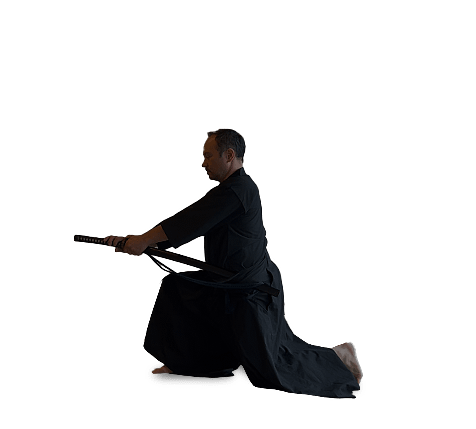
4. Tsuka-ate
( Handle strike )
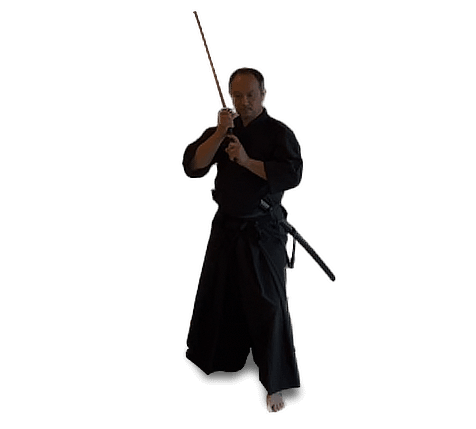
5. Kesagiri
( Diagonal cut )
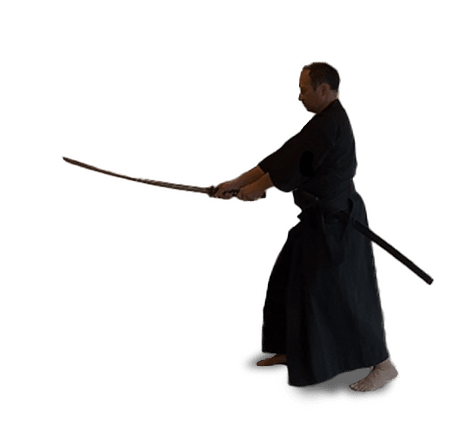
6. Morote tsuki
( Two-handed thrust )
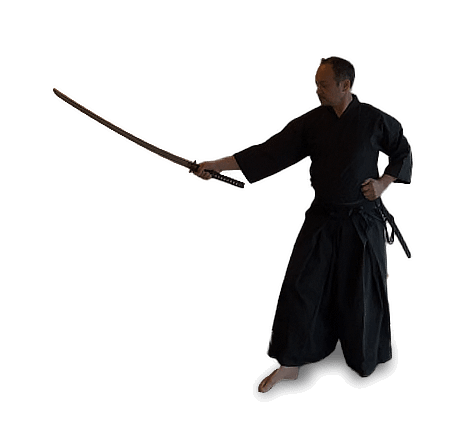
7. Sanpo giri
( Three-directional Cut )
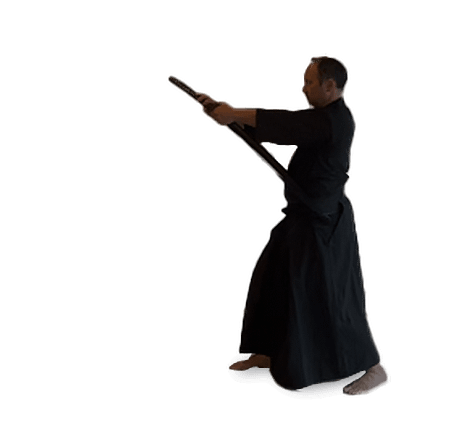
8. Ganmen ate
( Striking the Face )
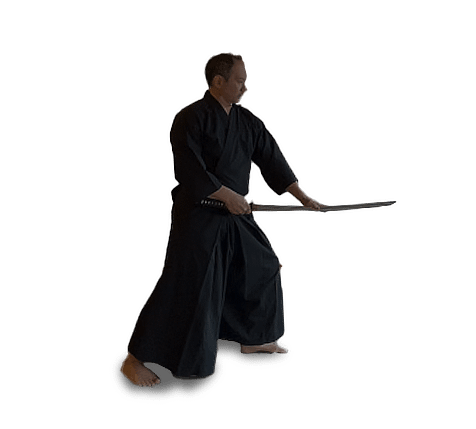
9. Soete tsuki
(Appendix thrust)
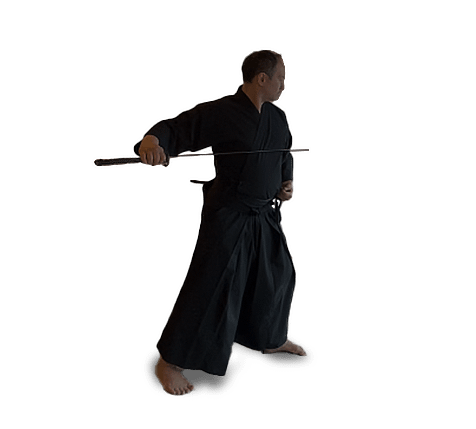
10. Shihogiri
( Four-way cutting )
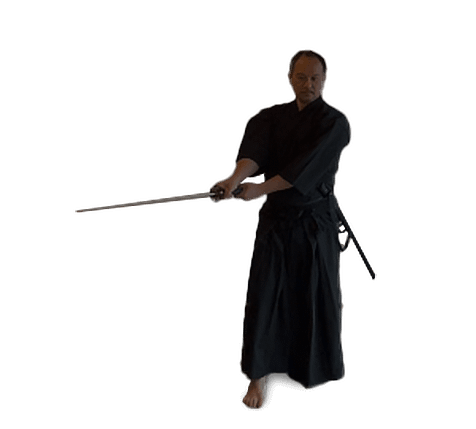
11. Sogiri
( All-around cutting )
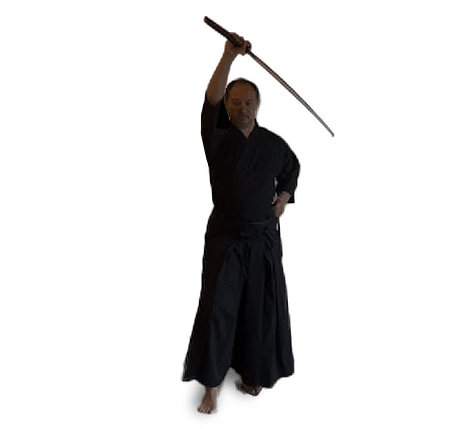
12. Nukiuchi
( Sudden draw )

1. Mae
(Front )

2. Ushiro
( Rear )

3. Ukenagashi
( Deflect and pass )

4. Tsuka-ate
( Handle strike )

5. Kesagiri
( Diagonal cut )

6. Morote tsuki
( Two-handed thrust )

7. Sanpo giri
( Three-directional Cut )

8. Ganmen ate
( Striking the Face )

9. Soete tsuki
(Appendix thrust)

10. Shihogiri
( Four-way cutting )

11. Sogiri
( All-around cutting )

12. Nukiuchi
( Sudden draw )
Visit Our Dojo
Daiyuzenji
Training
Sundays & Thursdays
Parking
Free street parking
Public Transit
CTA Addison Brown Line station
New Students
Complimentary introductory class
by appointment.
Visit Our Dojo
Daiyuzenji
3717 N. Ravenswood Ave. #112
Chicago IL 60613
Training
- Sundays
- Thursdays
Parking
Free street parking
Public Transit
CTA Addison Brown Line station
New Students
Complimentary introductory class by appointment.