Perceive that which cannot be seen with the eye.
– Miyamoto Musashi
Kenjutsu
Classical Japanese Swordsmanship
Kenjutsu is traditional Japanese swordsmanship practiced through structured partner training. Students develop posture, timing, distance, coordination, and the ability to remain calm and attentive while working with another person.
At Kogetsukai, we practice Kasumi Shintō-ryū Kenjutsu, Jikishin Kage-ryū Hōjō, and Sugawara-ha Katori Shintō-ryū. Beginners can start with an introduction to sword handling or enter Katori training directly, with no previous martial arts experience required. Participation in the other classical traditions is guided by the instructor and their respective requirements.
Our Training
Kenjutsu is traditional Japanese swordsmanship practiced through structured partner training. Students develop posture, timing, distance, coordination, and the ability to remain calm and attentive while working with another person.
At Kogetsukai, we practice Kasumi Shintō-ryū Kenjutsu, Jikishin Kage-ryū Hōjō, and Sugawara-ha Katori Shintō-ryū. Beginners can start with an introduction to sword handling or enter Katori training directly, with no previous martial arts experience required. Participation in the other classical traditions is guided by the instructor and their respective requirements.
Training emphasizes:
- Sword handling and dojo etiquette
- Posture, footwork, and body alignment
- Cutting movements and weapon control
- Distance (maai) and timing
- Partner awareness and composure
- Structured kata and progressive practice
An optional 30-minute period of zazen and samu precedes sword training. Zazen is seated Zen meditation, and samu is mindful work practice. Participation is voluntary, and no previous meditation experience is needed. Newcomers can ask for guidance on posture and etiquette.
Beginning with Swordsmanship
New students can begin with Introduction to Swordsmanship, a six-to-eight-week course covering basic sword handling, posture, movement, and etiquette. These fundamentals provide preparation for continued Iaido and paired sword practice.
Students learn progressively and do not need to know the forms or own equipment before joining. The instructor will explain which training is appropriate as they develop their skills.
Beginners interested in Sugawara-ha Katori Shintō-ryū may enter that program directly without first completing the introductory course.
Who Can Train?
Kenjutsu welcomes beginners and experienced martial artists. New students begin with etiquette, basic movement, and controlled sword handling before progressing into more complex partner exercises.
Practice requires attention, balance, and cooperation. Students with movement limitations should speak with the instructor before attending so appropriate practice options can be discussed.
Classical Study
Jikishin Kage-ryū Hōjō
Hōjō is a paired sword practice within Jikishin Kage-ryū. Training emphasizes posture, breathing, timing, and coordinated movement through structured kata. Kogetsukai participates in Hōjō as part of Daiyuzenji Zen Temple’s practice on Thursday evenings before Iaido.
Kendō no Kata
We practice Kendō no Kata to complement our Shintō Hatakage-ryū Iai Heihō training, connecting solo sword-drawing practice with the experience of facing a partner.
Kasumi Shintō-ryū
Kasumi Shintō-ryū forms part of our paired kenjutsu curriculum. Students study its kata alongside Seitei Iaido on the third Sunday of each month.
Sugawara-ha Katori Shintō-ryū
Sugawara-ha Katori Shintō-ryū includes paired swordsmanship and iai within a broader classical martial curriculum. Training at Kogetsukai is led by Rob Dillon Sensei on selected Sundays.
Beginners may enter Katori training directly without previous sword or martial arts experience. Please contact us before attending to discuss introductory arrangements.
Gekiken
Senior practitioners may participate in Gekiken, an advanced form of unscripted practice conducted in protective armor (bōgu). Students apply principles developed through kata against a resisting partner, emphasizing distance (maai), timing, initiative (sen), control, and adaptability rather than point scoring or tournament competition.
Gekiken is held on the first Sunday of each month. Participation is by instructor invitation and reserved for senior practitioners with a solid foundation in kata and partner training.
Training Schedule
-
1st, 3rd & 5th Sundays
3:00 PM – 5:00PM
-
2nd & 4th Sundays
10:30 AM – 12:30 PM & 3:00 PM – 5:00PM
Training includes Sugawara Katori Shinto ryu, Jikishin Kage Ryu Hojo and Kasumi Shinto Ryu.
Please refer to our Training Calendar for the most up-to-date information.
Training Schedule
-
1st, 3rd & 5th Sundays
3:00 PM – 5:00 PM
-
2nd & 4th Sundays
10:30 AM – 12:30 PM & 3:00 PM – 5:00 PM
Training includes Sugawara Katori Shinto ryu, Jikishin Kage Ryu Hojo, Kendo-no-Kata, and Kasumi Shinto Ryu.
Please refer to our Training Calendar for the most up-to-date information.
Monthly Support
Daiyuzenji Temple
-
Supports the temple that hosts Kogetsukai's regular training.
Kogetsukai
-
Supports instruction, youth programs, seminars, and equipment.
Total Monthly Support
$75 / month
Questions Before Your First Class
No. Beginners can start with an introduction to sword handling or begin directly in Sugawara-ha Katori Shintō-ryū. Other classical practices have their own participation requirements, which the instructor can explain.
No. Loaner wooden swords (bokutō) are available for introductory training. Please speak with an instructor before purchasing equipment, as requirements vary by tradition.
Comfortable athletic clothing that allows you to move freely is appropriate. You do not need to purchase a uniform before your first visit.
Both. Basic movements can be practiced individually, while much of Kenjutsu is learned through paired kata. Each partner has a defined role, and practice emphasizes cooperation and control.
No. Beginners learn through basic exercises and structured partner practice. Gekiken is reserved for experienced practitioners by instructor invitation.
Kenjutsu involves repeated stepping, turning, sword movements, and coordinated partner work. Training emphasizes controlled technique, but balance, mobility, and sustained attention are important.
Adults begin sword training at different ages and ability levels. Discuss any movement limitations with the instructor before class so suitable practice options can be considered.
Yes. You do not need to complete Seitei Iaido or Introduction to Swordsmanship before beginning Katori. Contact us to arrange a visit on a scheduled Katori Sunday.
Kenjutsu is primarily concerned with swordsmanship through paired practice. Iaido focuses primarily on drawing and using the sword through solo forms. Some traditions, including Katori Shintō-ryū, contain both.
The best way to understand training is to experience it firsthand. Beginners are welcome, and no prior martial arts experience is required.
Begin with a Complimentary Introductory Class

1. Aisun (Migi)
Equal Distance (Right)

2. Aisun (Hidari)
Equal Distance (Left)

3. Ju
Eagle

4. Chibarai
Breast Sweep

5. Sarin
Left Wheel

6. Uke Kaeshi
Receive and Return

7. Nito Ai
Two Swords Meet

8. Surikomi
Sliding In

9. Inchu
Center of the Throat

10. Uke Nagashi
Flowing Reception

11. Miuke Dome
Three Receives and Stop

12. Tsuki dashi
Driving Thrust
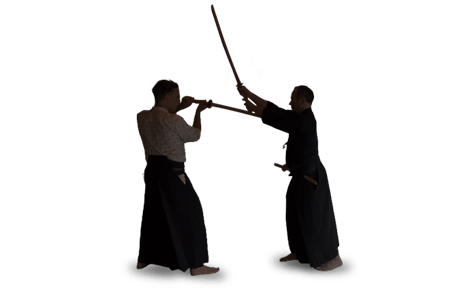
1. Aisun (Migi)
Equal Distance (Right)
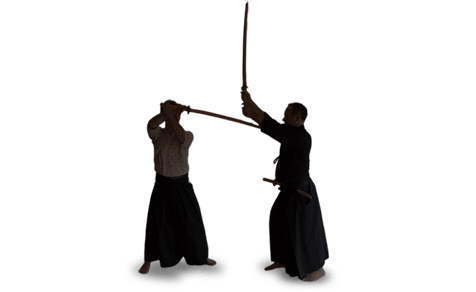
2. Aisun (Hidari)
Equal Distance (Left)
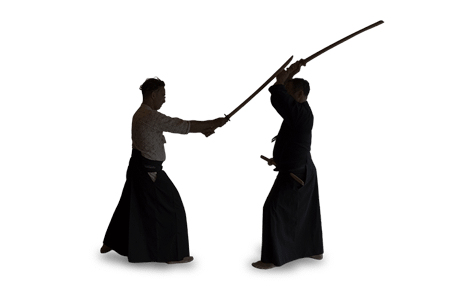
3. Ju
Eagle
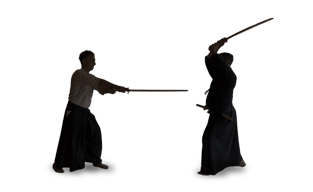
4. Chibarai
Breast Sweep
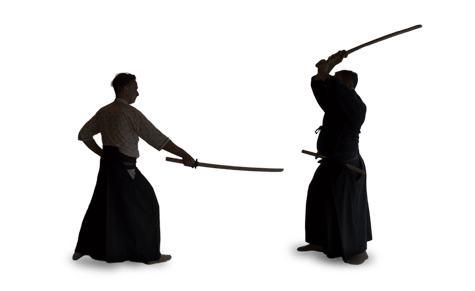
5. Sarin
Left Wheel
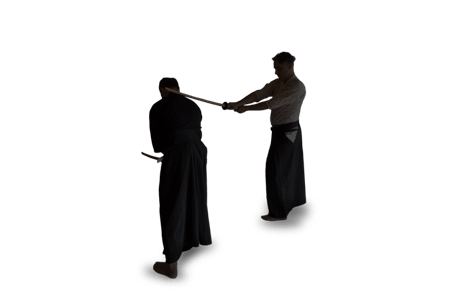
6. Uke Kaeshi
Receive and Return
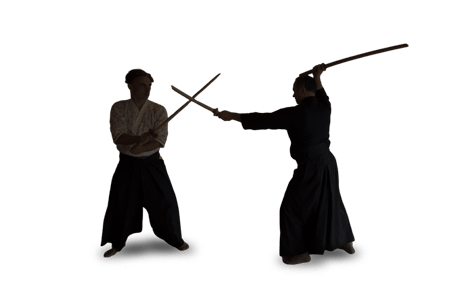
7. Nito Ai
Two Swords Meet
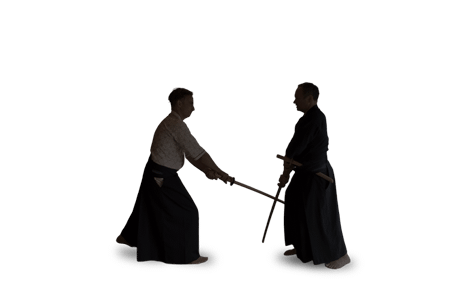
8. Surikomi
Sliding In
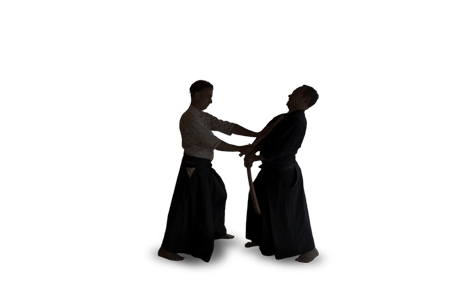
9. Inchu
Center of the Throat
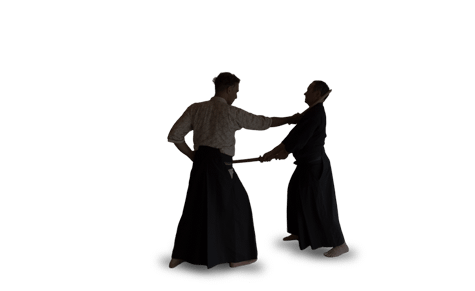
10. Uke Nagashi
Flowing Reception
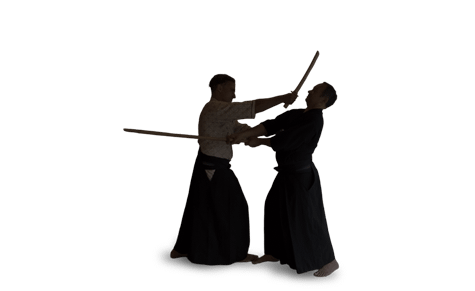
11. Miuke Dome
Three Receives and Stop
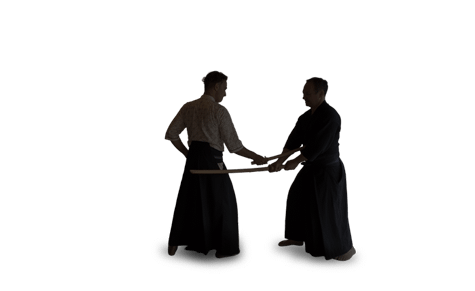
12. Tsuki dashi
Driving Thrust
Visit Our Dojo
Daiyuzenji
Training
Sundays & Thursdays
Parking
Free street parking
Public Transit
CTA Addison Brown Line station
New Students
Complimentary introductory class
by appointment.
Visit Our Dojo
Daiyuzenji
3717 N. Ravenswood Ave. #112
Chicago IL 60613
Training
- Sundays
- Thursdays
Parking
Free street parking
Public Transit
CTA Addison Brown Line station
New Students
Complimentary introductory class by appointment.